Source UV Drying Toothbrush Sterilizer for Home, Hotel, Travel
Find and compare 30 UV drying toothbrush sterilizer options from China. These devices feature Type-C charging, LED displays, and 260-280nm sterilization wavelengths. Compare specs, certifications like CE and FCC, and packaging details for home, hotel, and travel use.
Key considerations
Products List


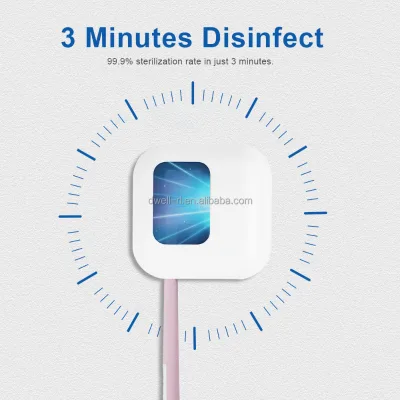


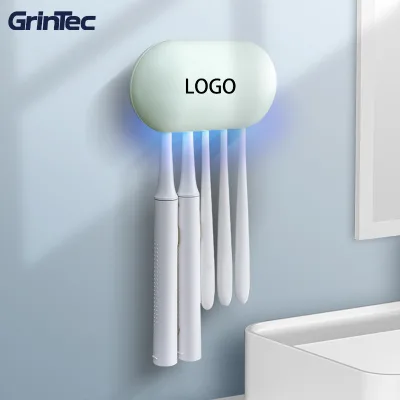
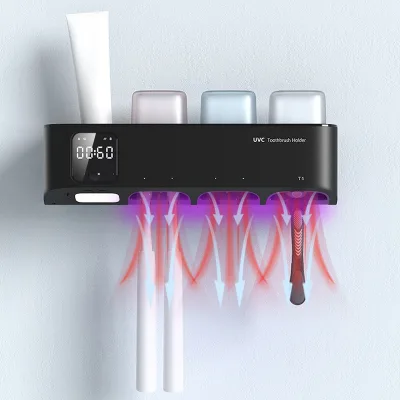
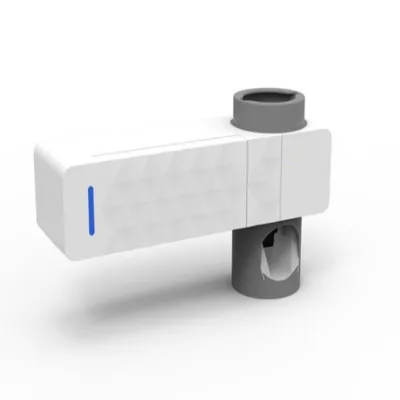
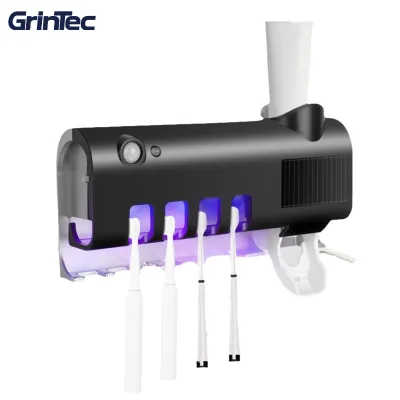
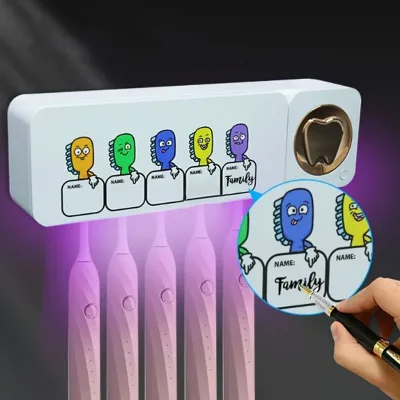
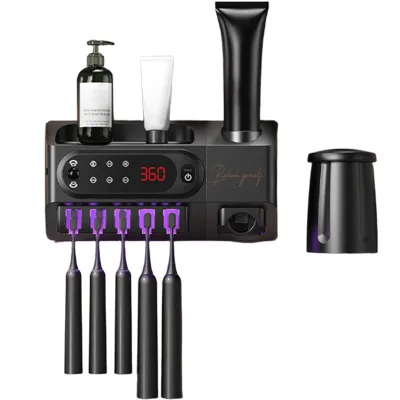
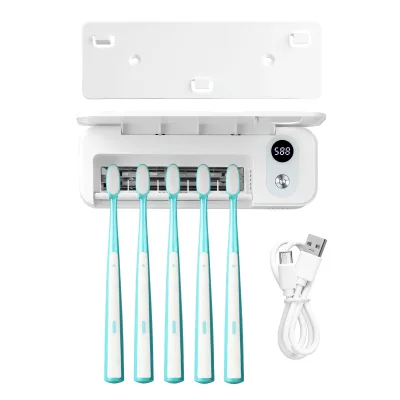


Comprehensive Sourcing Guide
UV Drying Toothbrush Sterilizer Sourcing Guide
Sourcing UV drying toothbrush sterilizers requires a careful balance between optical efficacy, thermal management, and commercial viability. These devices are designed to maintain oral hygiene tools in a sanitized state, leveraging ultraviolet light to neutralize bacteria while often incorporating drying functions to prevent moisture-related microbial growth. Buyers must navigate a market where product attributes vary significantly, from simple embedded units to more complex models with digital displays and specific battery capacities. The following guide outlines the critical verification steps, technical parameters, and compliance requirements necessary for successful procurement.
Product Scope and Observed Listing Signals
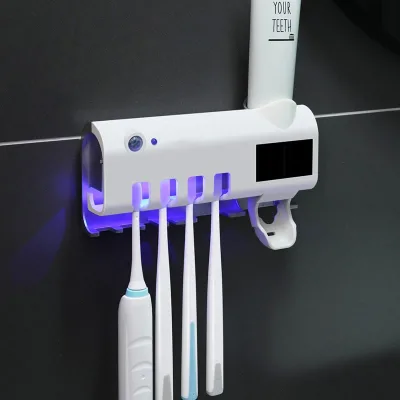
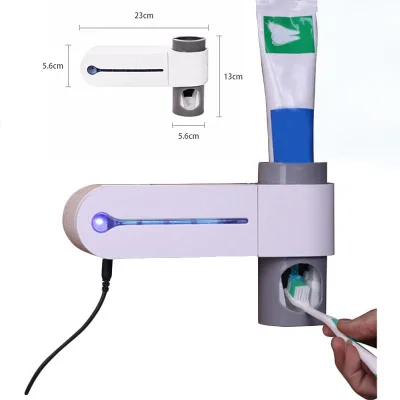
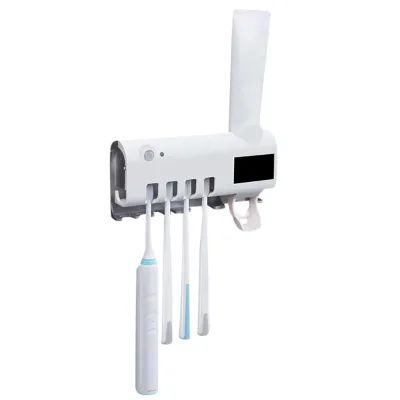
The current market landscape for UV toothbrush sterilizers reveals a diverse range of product configurations, primarily constructed from plastic materials with simple styling. Listings indicate a wide variation in physical dimensions and weights, suggesting that buyers will encounter everything from compact, portable units to larger, stationary models. For instance, observed product sizes range from approximately 11.3 cm in length to over 22 cm, with weights varying between 79 grams and nearly 100 grams. This variability implies that procurement teams must define precise dimensional constraints early in the sourcing process to ensure compatibility with existing bathroom fixtures or travel kits.
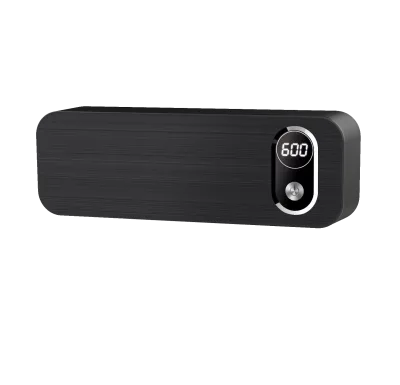
Commercial signals also highlight significant differences in power and connectivity options. While some models rely on standard Type-C charging interfaces, others may utilize proprietary or older charging methods, with battery capacities ranging from roughly 250 mAh to 450 mAh. Charging times also differ, with some units requiring up to two hours for a full charge, while others may offer faster charging cycles. Additionally, the presence or absence of LCD displays and LED indicators varies across models, affecting user experience and perceived value. Buyers should treat these attributes as observations of available inventory rather than universal standards, verifying each specification against their specific operational needs.
Technical Specifications to Verify
Ultraviolet wavelength is the most critical technical parameter for ensuring effective sterilization. Trusted category knowledge and specific product data indicate that effective sterilization typically occurs within the UV-C spectrum, specifically around 260-280 nm. Some observed listings specify wavelengths of 270 nm or 275 nm, which fall within the effective range for germicidal action. Buyers must verify that the UV source emits within this optimal band to ensure the claimed sterilization rate, which some suppliers advertise as high as 99.99%. It is essential to confirm that the UV lamp is positioned to adequately cover the toothbrush heads without creating shadowed areas where bacteria could survive.
Drying functionality and power specifications are equally important for long-term hygiene. Moisture retention in toothbrush holders can lead to bacterial proliferation, making the drying component a key differentiator. Buyers should verify the power source, whether it is battery-operated with specific voltages like 3.7V, or plug-in models. The inclusion of features such as waterproofing and eco-friendly materials adds durability and safety, particularly in humid bathroom environments. Additionally, the sterilization time, which some listings note as approximately five minutes, should be validated to ensure it is sufficient for the claimed level of sanitation without excessive energy consumption.
Compliance and Safety Documentation
Regulatory compliance is non-negotiable for UV sterilization devices, particularly those intended for personal care. Certifications such as CE, FCC, and RoHS are commonly cited in product listings, indicating adherence to European safety, electromagnetic compatibility, and hazardous substance restrictions. Buyers must request valid certificates from recognized testing bodies to verify these claims, as self-declared compliance can be unreliable. The presence of these certifications ensures that the device does not emit harmful levels of radiation outside the sterilization chamber and meets electrical safety standards for consumer electronics.
In addition to general electronics certifications, medical or hygiene-related standards may apply depending on the intended use and market. Some suppliers mention certifications like FDA, ISO CE, GMP, ISO13485, and ISO22716, which are relevant for manufacturing environments and product safety. ISO13485, for instance, is specific to medical devices, suggesting a higher level of quality management in production. Buyers should assess whether these certifications are necessary for their target market and verify that the factory holds valid, up-to-date certificates. It is also prudent to check for any specific UV safety standards that limit leakage radiation to protect users from exposure.
Cost Drivers and Commercial Terms
Pricing for UV toothbrush sterilizers varies widely, reflecting differences in materials, features, and order volumes. Observed price ranges span from low-cost basic models to premium units with advanced features, indicating that buyers can find options at various budget levels. Minimum Order Quantities (MOQs) also vary, with some suppliers offering low MOQs for sampling or small batches, while others require larger commitments. Understanding these commercial terms is crucial for budgeting and inventory planning, especially for businesses testing new product lines or fulfilling specific customer orders.
The cost structure is influenced by several factors, including the type of UV lamp used, the quality of the plastic housing, and the inclusion of electronic components like displays and batteries. Customization options, such as OEM branding or specific color schemes, may incur additional costs. Buyers should also consider the packaging requirements, as some products are shipped in individual color boxes while others are packed in cartons for bulk shipping. These packaging choices affect logistics costs and product protection during transit. Clear communication regarding pricing tiers, MOQs, and customization fees is essential to avoid unexpected expenses.
Supplier Qualification and Quality Control
Supplier qualification involves verifying the manufacturer’s capability to produce consistent, high-quality UV sterilizers. Buyers should assess the supplier’s production facilities, particularly if they claim certifications like GMP or ISO13485, which imply strict quality control processes. The origin of the products, often listed as China or specific provinces like Jiangxi, can provide insights into the supply chain dynamics and manufacturing expertise. However, geographic origin alone is not a guarantee of quality, so direct verification of the supplier’s track record and client references is recommended.
Quality control measures should include routine testing of UV output intensity, electrical safety, and material durability. Buyers should inquire about the supplier’s internal testing protocols and whether they conduct third-party audits. The ability to provide sample units for evaluation is a strong indicator of supplier confidence and quality. Additionally, checking for features like waterproofing and durability can help assess the product’s longevity. Establishing a clear quality agreement that defines acceptable defect rates and remediation procedures is essential for maintaining product standards.
Long-Term Procurement Checks
Long-term success in sourcing UV toothbrush sterilizers depends on continuous monitoring of product performance and supplier reliability. Buyers should establish a feedback loop with end-users to identify any issues related to sterilization efficacy, battery life, or durability. Regular reviews of supplier performance, including on-time delivery and responsiveness to quality issues, are necessary to maintain a stable supply chain. As technology evolves, staying informed about advancements in UV LED efficiency and battery management can help buyers make informed decisions about future purchases.
It is also important to stay updated on regulatory changes in target markets, as standards for UV devices and personal care electronics may evolve. Maintaining open communication with suppliers regarding any updates in certifications or manufacturing processes ensures ongoing compliance. Buyers should also consider the environmental impact of their procurement choices, favoring suppliers who demonstrate eco-friendly practices and durable product designs. By focusing on these long-term checks, buyers can build a resilient sourcing strategy that supports both business growth and customer satisfaction.
FAQs
What certifications do these sterilizers have?
Many models carry CE, FCC, RoHS, FDA, and ISO certifications. Some factories also provide GMP, ISO13485, and ISO22716 certificates. Buyers should verify specific documents for each supplier to ensure compliance with local regulations.
How long does the sterilization process take?
The sterilization cycle typically completes within five minutes for most units. Some models specify a charging time of two hours before operation. The process achieves a sterilization rate of up to 99.99% using ultraviolet wavelengths between 260 and 280 nanometers.
Can I customize the product packaging?
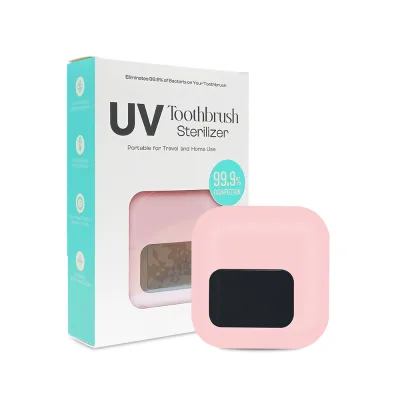
Yes, customization is available for packaging and branding. Options include color boxes, cartons, or standard boxes depending on the order. Buyers can request specific dimensions or materials to match their retail requirements.
What is the battery capacity for portable models?
Portable units often feature a 3.7V battery with capacities around 450mAh or 253.7mAh. These batteries support Type-C charging for convenient power replenishment. The device weight varies between 79g and 98.8g depending on the specific model.
Where are these products manufactured?
Products originate from China, with specific factories located in Jiangxi. All listed items are made in China and shipped from there. Buyers can request detailed factory locations during the sourcing process.
What are the standard product dimensions?
Dimensions vary by model, with common sizes like 21x5.3x2.7cm or 11.3x7.3x3.6cm. Some compact units measure 11x10.5x11cm. Specifications are clearly listed for each model to assist in space planning.
Is the device waterproof and durable?
Yes, features include waterproof, eco-friendly, and durable construction. These attributes make the sterilizers suitable for travel, home, hotel, and clinic use. The design ensures longevity in various environments.